from 0 review
7 Nights / 8 Days
Daily Tour
Unlimited
___
We welcome you all on an unforgettable 8-day Lhasa to Everest Base Camp tour that combines the spiritual wonders of Lhasa with the dramatic landscapes of the Tibetan Plateau and a breathtaking close-up of the world’s highest mountain—Mount Everest (Chomolungma). Starting with proper acclimatization in Lhasa, this journey takes you through sacred monasteries, turquoise Yamdrok Lake, Gyantse’s historic sites, Shigatse, and finally to Rongbuk and Everest Base Camp (5,200m) for stunning sunrise/sunset views. Perfect for culture and nature lovers seeking the ultimate “Roof of the World” experience.
Quick Facts
Duration: 8 Days / 7 Nights
Route: Lhasa → Gyantse → Shigatse → Everest Base Camp → Shigatse → Lhasa
Max Altitude: 5,200m at Everest Base Camp
Best Season: April–October (peak views May–September)
Tour Type: Private tour group with experienced Tibetan guide & driver
Accommodation: Mix of comfortable hotels in Lhasa/Shigatse and guesthouse/tent at Rongbuk
Activity Level: Moderate (driving + light walking at altitude)
Important Information
Altitude Safety: Gradual ascent is built-in, but consult a physician. Symptoms of AMS are normal—rest, hydrate, and follow guide instructions.
Permits: Tibet Travel Permit + Alien Travel Permit required (arranged by us).
Weather at EBC: Everest views are best in clear conditions; sunrise/sunset not guaranteed.
Photography: Respect monastery rules; high-altitude light is excellent for photos.
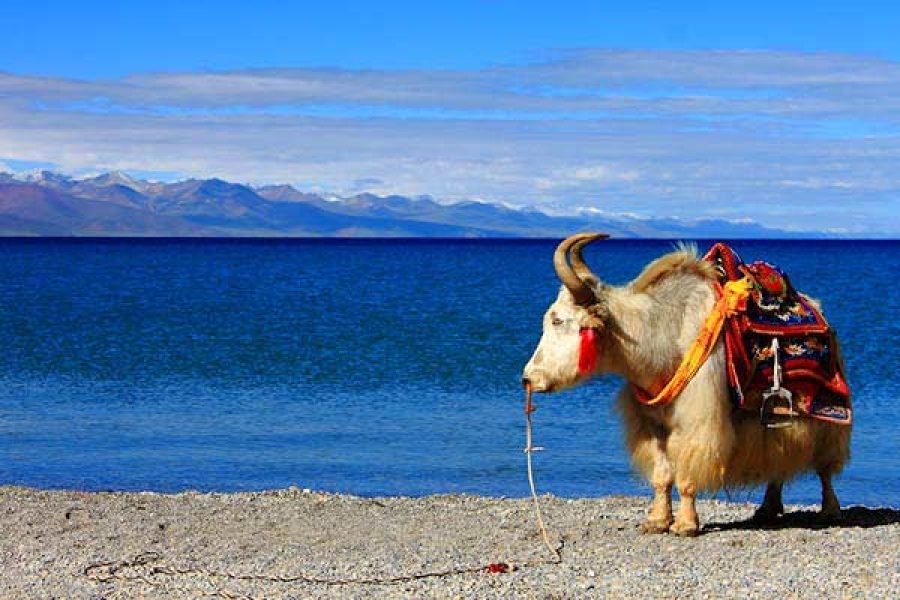
Customization: Private departures, add-ons (e.g., Namtso Lake), or upgraded vehicles available.
Upon arrival by flight or train, your Tibetan guide greets you and transfers you to your hotel. Enjoy views of the Yarlung Tsangpo (Brahmaputra) and Lhasa Rivers. Rest and acclimatize. Optional evening stroll to Potala Square for illuminated palace views.
Overnight: Lhasa (No Meal)
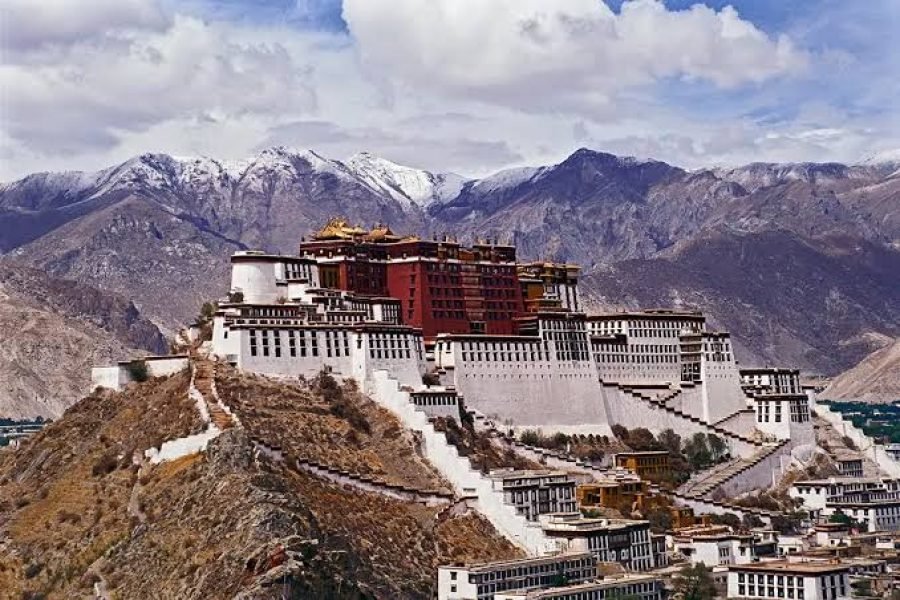
Discover the majestic Potala Palace, former winter residence of the Dalai Lamas, with its gilded stupas and ancient meditation caves. In the afternoon, visit the sacred Jokhang Temple (housing the revered 12-year-old Buddha Sakyamuni statue) and wander the vibrant Barkhor Street pilgrimage circuit and market.
Overnight: Lhasa (Breakfast Included)
Morning visit to Drepung Monastery, one of Tibet’s largest Gelugpa institutions—explore its grand halls and carving workshops. Afternoon at Sera Monastery to witness the famous monk debates (3–5 PM), scripture printing house, sand mandalas, and rock paintings.
Overnight: Lhasa (Breakfast Included)
Drive over Gampala Pass (4,790m) for stunning views of turquoise Yamdrok Lake and snow-capped mountains. Pass Korola Glacier, enjoy prayer flags at Simila Pass, and stop in Gyantse to visit Pelkor Monastery, the iconic Gyantse Kumbum, and the fortress. Continue to Shigatse, Tibet’s second-largest city. Optional visit to a traditional barley mill.
Overnight: Shigatse (Breakfast Included)
Morning tour of Tashilhunpo Monastery, home of the Panchen Lama. Drive via Lhatse and high passes (Tsola & Gyatsola) into the Everest National Nature Reserve. Stop at Gawula Pass (5,198m) for breathtaking Himalayan panoramas. Arrive at Everest Base Camp for close views of Mt. Everest. Enjoy golden sunset light (weather permitting).
Overnight: Rongbuk (guesthouse or tent camp - Breakfast Included).
Catch the magical sunrise over Everest if conditions allow. Visit Rongbuk Monastery—the highest monastery in the world, uniquely housing both monks and nuns. Then drive back to Shigatse.
Overnight: Shigatse (Breakfast Included)
Relaxing drive back to Lhasa along the scenic Yalong Valley, with views of the vast riverbed from the viewing platform. Arrive in Lhasa and transfer to your hotel.
Overnight: Lhasa (Breakfast Included)
Your guide transfers you to the airport or train station for your onward journey. Farewell to the Roof of the World!
Yes. All foreign travelers need a Tibet Travel Permit (issued by the Tibet Tourism Bureau) plus a Chinese visa. For tours visiting Everest Base Camp or other restricted areas, an Alien Travel Permit is also required. Reputable operators arrange these for you once you provide passport details. Processing usually takes 10–20 days. Independent travel is not allowed.
The peak season is May to September, offering the best weather and clearest views of Mount Everest. July–October: Warmest, green landscapes, ideal for EBC. April–June: Shoulder season with fewer crowds and lower prices. Winter (Nov–Mar): Colder but quieter and cheaper; Everest views can still be excellent on clear days.
Lhasa sits at 3,650m, and Everest Base Camp reaches 5,200m. Most people experience mild Acute Mountain Sickness (AMS). Tips: Arrive via flight or train gradually, rest on Day 1, stay hydrated, avoid alcohol/smoking, and eat light meals. Medications like Diamox can help (consult your doctor). All good itineraries include acclimatization days in Lhasa.
Tibet is generally safe for organized tour groups. The main challenges are altitude and road conditions. Political sensitivities exist, so travel must be with an authorized guide and driver. Follow local laws, respect monasteries, and your operator will handle logistics smoothly.
Essentials: Layered clothing (warm fleece/jacket even in summer), comfortable walking shoes, sunscreen (strong UV), sunglasses, hat, reusable water bottle, power bank, snacks, personal medications, and a good rain jacket. For EBC, bring a warm sleeping bag liner if staying in basic guesthouses. Download offline maps and translation apps.
The tour involves significant driving (long but scenic days) and walking at altitude. It is suitable for reasonably fit travelers who can handle stairs (e.g., at Potala Palace) and high-altitude conditions. No technical trekking is required but expect 8–10 hour drive days on winding mountain roads.
In Lhasa: Options range from comfortable 3★ (e.g., Gang Gyan) to luxury 5★ (Shangri-La, St. Regis, InterContinental). Shigatse: Good 3–4★ hotels. Rongbuk/EBC: Basic guesthouse or tent camp (simple but memorable). Upgrades are available depending on your package.
Weather at Everest is unpredictable, but May–September gives the highest chance of clear views. Most tours include sunrise at EBC or Rongbuk and sunset opportunities. Even if clouds appear, the high plateau scenery and Rongbuk Monastery are rewarding.
Most packages include: Tibet permits, English-speaking guide, private vehicle/driver, accommodation on BB (bed & breakfast), entrance fees, and bottled water. Flights, China visa, meals beyond breakfast, insurance, and personal expenses are usually excluded. Always check inclusions/exclusions carefully.

Member Since 2026